
When AI Starts Thinking for Us
Mieke De Ketelaere shares a sharp keynote on the promise of AI in health tech, and the risk of becoming too dependent on systems that increasingly think with us, for us and sometimes instead of us.
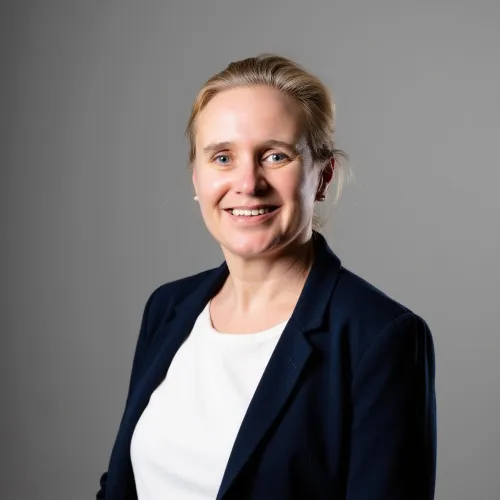
AI is moving fast. But are we still thinking for ourselves?
In this opening keynote, Mieke De Ketelaere explores one of the central tensions of our time: AI can make us faster, smarter and more capable, but it can also make us more dependent.
AI is already changing how we work, decide, diagnose, treat and organise care. In health tech, the potential is enormous: faster insights, better decision support, more scalable care and new ways to detect what humans might miss.
But AI does not only enter our lives as breakthrough technology. It also enters as convenience. A shortcut. A tool that saves time. A system that quietly takes over parts of our thinking. Slowly, almost invisibly, we start depending on it.
That raises harder questions. What happens to our critical thinking when answers become instant? What happens to our judgement when machines become better at recognising patterns? What happens to our mental wellbeing when we feel we must keep up with a technology we barely understand?
Because becoming “bovenmenselijk” in what we can achieve only matters if we remain “bovenal menselijk” in how we think, decide and care.